




Are you looking to brighten your living space with effortless greenery? Hanging plants indoor offer a beautiful and space-saving way to enliven your home decor. Whether you have limited room in an apartment or want to add some lush layers in your kitchen or bedroom, there are numerous indoor hanging plants that are easy to care for and easy to grow. This guide covers the best indoor hanging plants, with care tips, light requirements—from hanging plants that don’t need sun to those that thrive in bright, indirect light or bright light—pet-friendly choices, and even varieties that attract hummingbirds, helping your home feel serene and vibrant.
Why Choose Hanging Plants Indoor?
Benefits of Using Hanging House Plants
Hanging plants indoor create an elegant visual impact by utilizing vertical space, ideal for small rooms and apartments where floor space is precious. Popular hanging plants add texture, color, and natural air-purifying benefits, making your rooms feel fresher and more inviting. Additionally, they can soften sharp interior angles and provide natural privacy when hung in clusters or near windows.
Hanging Plants for Apartment and Small Spaces
Many easy indoor hanging plants thrive in apartments thanks to their flexibility with light and size. Hanging plants for room corners, kitchens, or bathrooms bring a natural vibe indoors without overcrowding surfaces, and they are excellent for those who want greenery but lack gardening experience.
Top 10 Best Indoor Hanging Plants: Low-Maintenance & Stylish
- Pothos (Epipremnum aureum): Known as one of the best indoor hanging plants, Pothos adapts well to low light and can tolerate hanging plants that don’t need sun. Varieties like Neon and Marble Queen brighten indoor corners with green and white variegated foliage.
- Spider Plant (Chlorophytum comosum): Hardy and adaptable, spider plants thrive in bright, indirect light and are safe for pets. Their arching leaves and baby plantlets make them popular for bedrooms and kitchens.
- Boston Fern (Nephrolepis exaltata): A classic hanging fern that loves humidity, making it perfect as hanging plants for bathroom spaces. It prefers bright, indirect light and keeps the air moist and clean.
- String of Pearls (Senecio rowleyanus): An eye-catching trailing succulent with long stems and beaded vines that prefer bright but indirect light. Perfect for sunny spots but sensitive to overwatering.
- Heartleaf Philodendron (Philodendron hederaceum): A popular hanging plant with heart-shaped leaves suitable for low to medium light; great for bedrooms or shaded rooms.
- Wax Plant (Hoya carnosa): Known for its waxy leaves and fragrant flowers, this plant attracts pollinators like hummingbirds when placed near bright windows. It is a rewarding flowering succulent for indoor decor.
- String of Hearts (Ceropegia woodii): A delicate trailing plant that can thrive in bright, indirect light and tolerates some shade, often used as a decorative hanging plant safe for cats.
- Burro’s Tail (Sedum morganianum): A succulent ideal for hanging baskets in bright light, notable for its long trailing stems covered in plump leaves.
- Air Plants (Tillandsia spp.): These unique indoor hanging plants don’t require soil, can be hung almost anywhere, and do well with bright indirect light and occasional misting.
- English Ivy (Hedera helix): A versatile trailing plant that adapts to shade or sun and works well in hanging baskets or as a natural curtain.
Light and Care Tips for Hanging Plants Indoor
Understanding Light Needs: Shade, Indirect, and Direct Sunlight
Choosing the right hanging plants for your light environment is crucial. There are hanging plants that don’t need sun and thrive in shade or low light, like Philodendron and Pothos, while others such as Burro’s Tail or English Ivy prefer bright light or bright, indirect light. Bathrooms and kitchens typically offer humid, indirect light conditions, fitting for Boston Ferns or Spider Plants.
Watering and Humidity Considerations
General care for hanging house plants involves watering when the topsoil feels dry but avoiding waterlogged roots that can cause rot. Succulents like String of Pearls need infrequent watering, whereas humidity-loving plants like Boston Fern benefit from misting or a humidifier. Bathrooms are natural havens for humidity-loving hanging plants.
Pet-Safe Hanging Plants and Those That Attract Hummingbirds
Safe Choices for Households with Cats
Many popular hanging plants indoor are safe around pets, such as Spider Plants, Boston Ferns, and String of Hearts, which are known to be non-toxic to cats and dogs. It’s important to avoid plants like English Ivy or Pothos if your pets tend to chew leaves, as they can be toxic.
Hanging Plants That Attract Hummingbirds
Plants like the Wax Plant (Hoya) produce fragrant, nectar-rich flowers that attract hummingbirds. Placing these hanging plants near windows or outdoor balconies can bring delightful wildlife to your space and enhance your indoor-outdoor connection.
Best Locations for Your Hanging Plants Indoor: Room-by-Room
Hanging Plants for Bedroom, Bathroom, and Kitchen
Bedrooms benefit from easy indoor hanging plants like Heartleaf Philodendron and Spider Plants, which add calming greenery and do well in low to medium light. Bathrooms with moderate to high humidity are perfect for Boston Ferns or plants that like shade. Kitchens can handle more direct light and occasional humidity fluctuations, making Pothos or English Ivy ideal options.
Maximizing Hanging Plants for Room Ambiance and Style
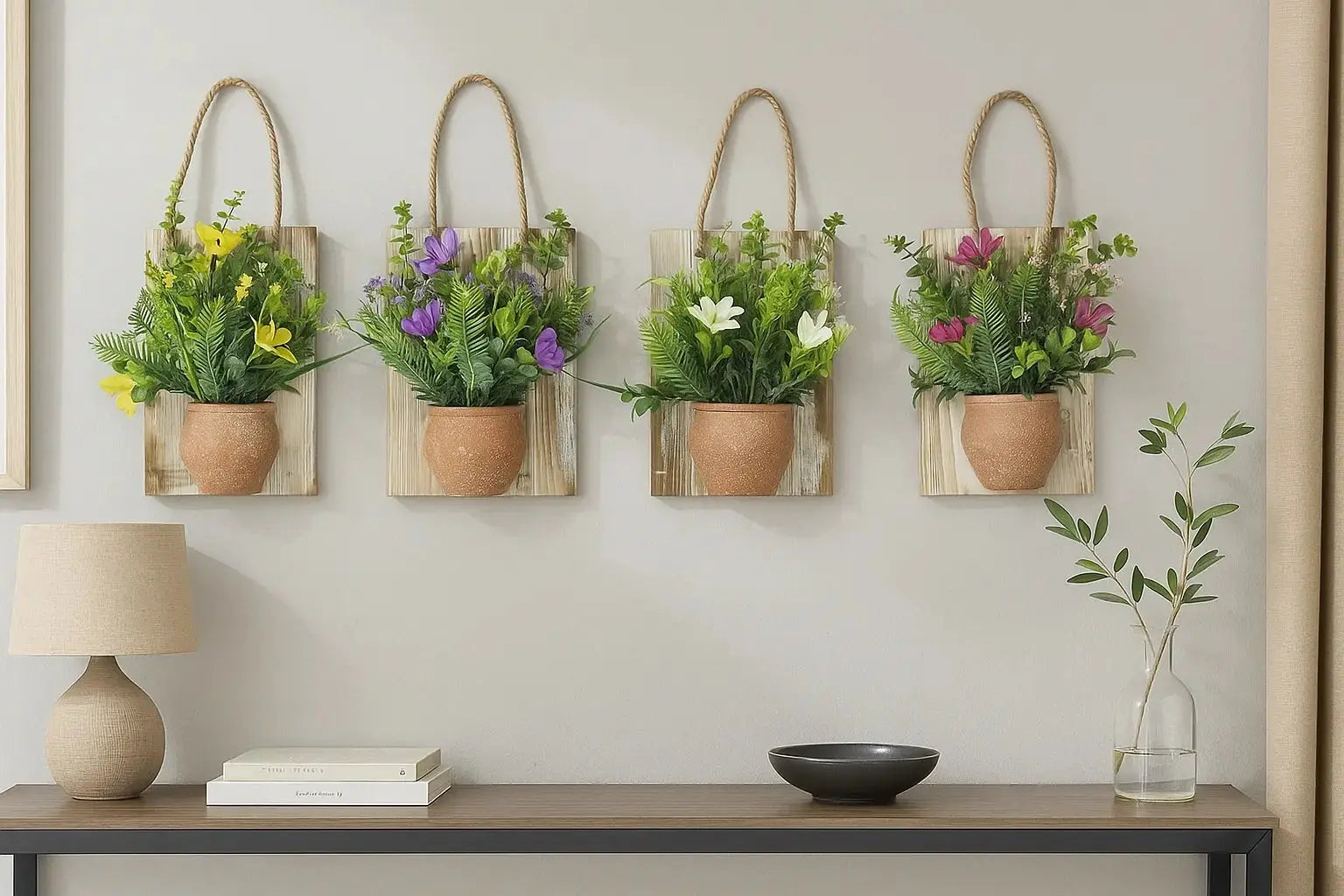
Use macramé hangers, wall hooks, or ceiling mounts to display plants stylishly. Mixing plants with different leaf shapes and textures—such as combining trailing succulents with leafy vines—creates visual interest. In apartments or smaller living spaces, hanging plants can add greenery without occupying precious surfaces.
Common Hanging Plants Challenges and How to Avoid Them
Overcoming Light and Watering Issues
Yellowing or leggy leaves often indicate insufficient light, while soggy soil leads to root rot. Adjust placement for more natural light or switch to low-light tolerant plants in dim areas. Monitor watering schedules carefully, and use well-draining soil for hanging plants indoor.
Pest Management and Maintaining Healthy Growth
Indoor hanging plants can be vulnerable to pests like spider mites or aphids. Regularly inspect leaves, prune damaged stems, and use safe insecticidal soap when needed. Pruning encourages fuller growth and prevents your hanging plants from becoming unruly.
Conclusion: Elevate Your Space with Hanging Plants Indoor
Adding hanging plants indoor is an effortless way to enhance your home decor with vibrant, living art. From popular hanging plants that thrive in apartments to pet-safe varieties and those that attract hummingbirds, there is an easy indoor hanging plant suited for every environment and style. By choosing the right plant for light conditions and care preferences, you can enjoy lush greenery year-round with minimal effort. Ready to transform your space? Explore our selection of the best indoor hanging plants and bring home the perfect green companion today.
Share:
Artificial Greenery Solutions for Homes, Offices & Events | Enutrof Decor
The Ultimate Tree Planting Guide: How to Buy Trees Online in 2026