


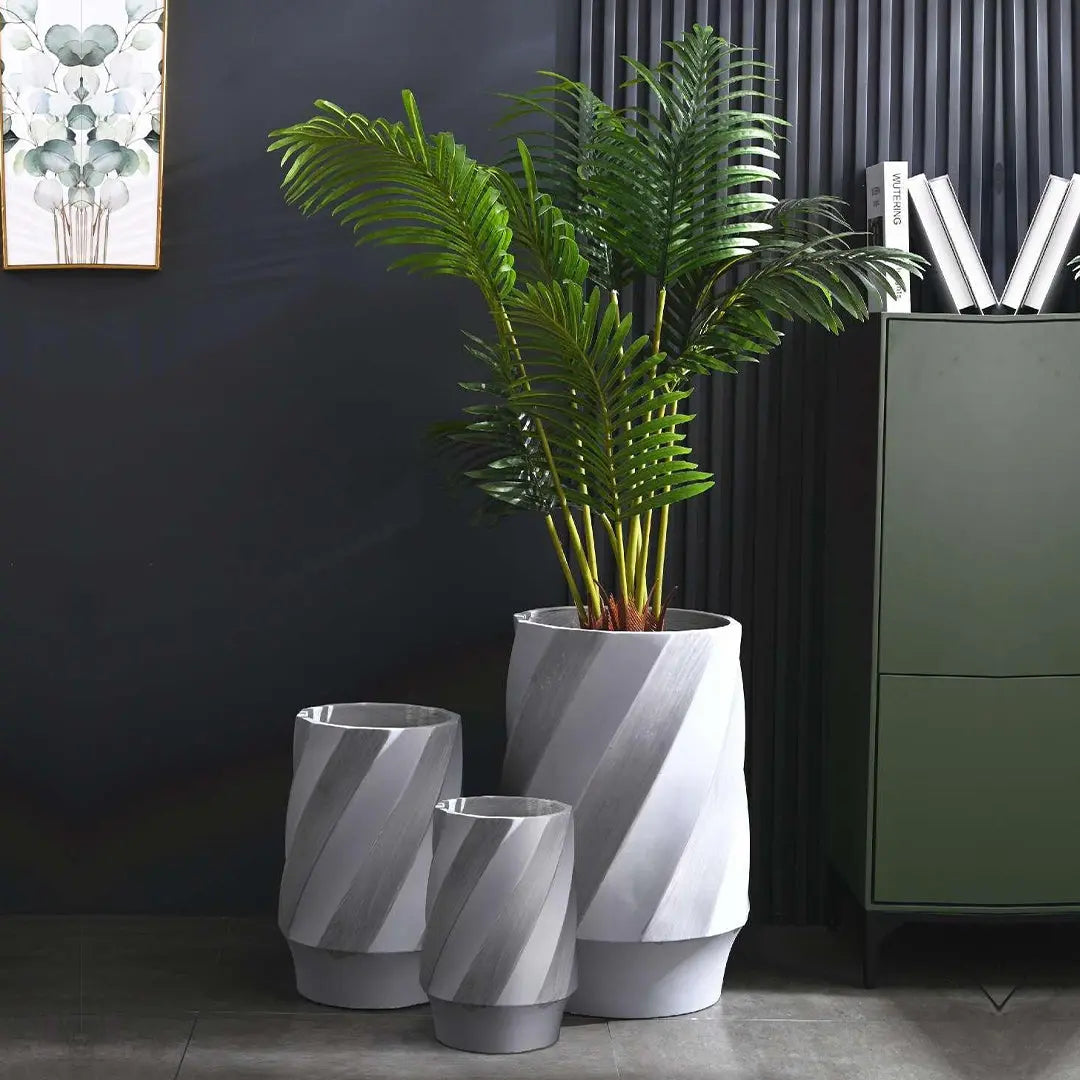


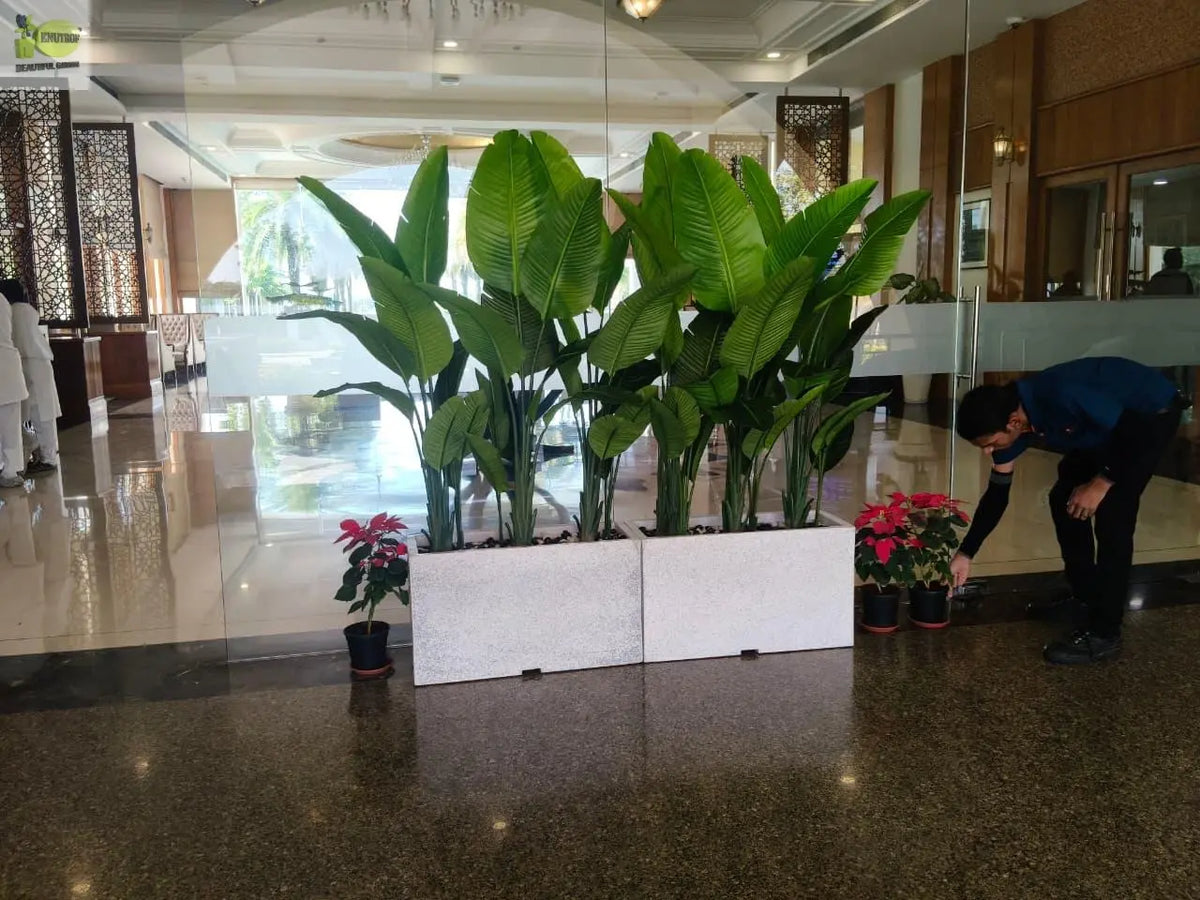
Shopping for artificial plants is usually less about finding “the prettiest one” and more about choosing the right shape, size, and finish for the space you already have. On marketplace listings, the best option for a living room corner may be a poor fit for a bedside table or office desk. If you want low-maintenance greenery that still looks intentional, it helps to compare style, placement, and realism side by side before you buy.
Choosing artificial plants for your space
Start with the room, not the product photo. Artificial plants work well when you want greenery without watering, pruning, or worrying about daily upkeep, which makes them practical for busy homes, offices, and rental spaces. As you browse, think about where the plant will sit, how much visual weight it should carry, and whether you want a subtle accent or a stronger decorative statement. That simple filter makes it easier to compare listings and avoid pieces that look attractive online but feel wrong once placed.
Pick the right type for the room
The right format depends on how much space you have and what kind of visual balance you want. Floor plants are useful when you need height and fullness, while smaller tabletop pieces work better for compact surfaces. Hanging styles, trailing arrangements, and bouquet-like designs can soften shelves, walls, and narrow corners without taking up floor space. If the room already feels busy, a slimmer form usually works better; if it feels empty, a fuller silhouette can add presence quickly.
Small accents for tables and shelves
Compact options are ideal for a bedside table, sideboard, or office desk because they add colour without crowding useful space. Look for smaller arrangements with a tidy base and a balanced profile so they do not compete with lamps, books, or everyday items. These pieces are especially useful when you want a quick decorative lift in a home or office setting. A small artificial plant can make a shelf look finished while staying easy to move, clean, and restyle.
Taller pieces for corners and open areas
Floor plants suit open corners, empty wall sections, and larger living room layouts where a little height helps anchor the space. When comparing listings, check both the listed height and the spread, because a tall plant with a wide footprint may feel overwhelming near a sofa, doorway, or walkway. In narrower rooms, a slimmer vertical shape is often easier to place. The best choice is one that fills the gap without making the room feel cramped.
Hanging and trailing looks
An artificial hanging plant is a good option when you want greenery on a wall, balcony edge, or top shelf. Trailing leaves soften hard corners and break up vertical surfaces, which can be useful in compact apartments or office settings. These styles work well when there is limited floor space, or when you want the décor to feel lighter and more layered. They also pair nicely with shelves, brackets, and ledges that need a softer visual finish.
Compare size, height, and placement fit
Size is one of the easiest ways to rule a product in or out. Before buying, measure the height, width, and depth of the intended spot, then compare those numbers with the listing. Remember that pot size changes the overall footprint, especially for tabletop pieces and floor plants. Some product pages list plant height only, while others include the pot in the total measurement, so read carefully. A few centimetres can make the difference between a neat fit and a crowded corner.
Choose realistic materials and finishes
Realism usually comes from a mix of leaf shape, colour variation, stem structure, and density. The most convincing artificial plants often have slight changes in tone rather than a flat, uniform colour, and the leaves should look layered instead of pasted on. You do not need technical details to judge quality—just compare how natural the plant appears in close-up photos and how it reads from room-view distance. A good listing should look credible both up close and across the room.
What to look for in product photos
- Check whether the leaf edges look clean and natural, not overly shiny or stiff.
- Look for layered branches or stems that create depth instead of a flat shape.
- Review multiple angles to see how full the plant looks from the front and side.
- Notice whether spacing between leaves feels balanced or obviously sparse.
Check the pot and base before ordering
Do not assume the pot shown in the photo is automatically included. Some listings feature a decorative pot for styling, while others ship only the plant with a basic base. The base affects stability and also changes how easy it is to place the item inside a different planter. Tabletop pieces need a neat, proportionate base, while floor arrangements may need a sturdier feel. Confirming this detail early prevents awkward surprises when the product arrives.
Match artificial plants to each room
Room-by-room shopping makes comparison easier because the best choice changes with use. In a living room, you may want a larger piece that balances open space. In a bedroom, a softer and smaller arrangement often feels calmer. For a dining table or office desk, the priority is usually scale: enough greenery to add interest, but not so much that it interferes with everyday use. Matching the plant to the room helps you narrow listings fast.
Living room ideas
For a living room, look at statement pieces that can sit in a corner, near a sofa, or beside an entry-adjacent wall. Larger artificial plants help fill empty visual space and can balance neutral furniture, plain walls, or open layouts. If the room already has strong furniture lines, greenery can soften the overall look without adding clutter. The most useful listings for this space usually show enough height and volume to feel intentional from across the room.
Bedroom and bedside table ideas
Bedroom décor usually works best with smaller artificial plants that fit neatly on a bedside table without crowding lamps, books, or charging cables. Softer shapes tend to suit this setting, especially if you want the room to feel calm rather than busy. A compact arrangement can add colour to any sleeping space while staying visually quiet. Keep the scale modest so the surface still functions comfortably.
Office and desk ideas
For office decor, choose compact greenery that adds life without interrupting your workflow. Upright or narrow pieces are often better than wide, spreading designs because they leave room for papers, devices, and daily tasks. If you want a desk accent, pick something that reads well from a seated position and does not block screens or accessories. Small artificial plants can make a work area feel more finished while staying low effort.
Decide what suits your style and budget
Once you know the right size and room, compare style details rather than browsing endlessly. Some listings focus on a single statement piece, while others are sold as sets or bundled arrangements. Consider whether you want one fuller plant or several smaller accents placed across shelves, tables, or corners. The best value is the listing that fits your space and use case most cleanly, not simply the one with the most items in the photo.
Care and display tips
Artificial plants are low maintenance, but a little care keeps them looking fresh. Dust them occasionally, wipe them lightly when needed, and rotate them now and then so one side does not fade or collect dust more than the other. If you plan to use them outdoors or in a bright spot, check whether the listing is suitable for sun exposure or sheltered placement. This matters for balconies, terraces, and window-led areas.
Quick buying checklist
- Check the measurements, including whether the pot is part of the listed size.
- Match the shape to the room: table, shelf, corner, or hanging display.
- Review photos for leaf texture, colour variation, and overall realism.
- Confirm what is included: plant only, pot, or decorative base.
- Choose the size that fits your space without blocking daily use.
Share:
Artificial Grass Wall Guide: Uses, Fixing, and Limits